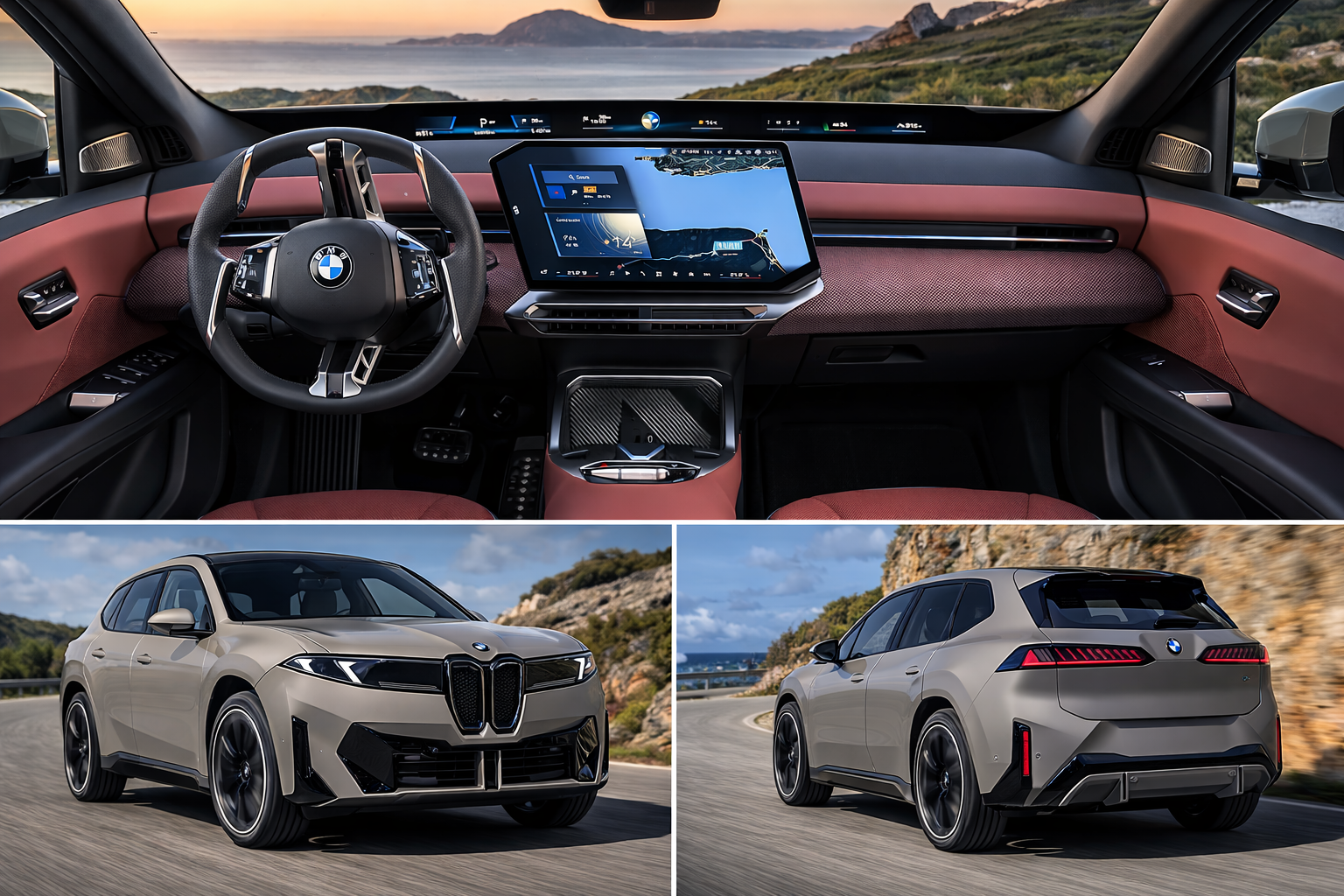
BMW stands at a technological crossroads. Two developments signal the brand's most significant transformation since the introduction of turbocharging: the Android-based iDrive 9 infotainment system and the upcoming Neue Klasse-based iX3. Together, they represent BMW's shift toward software-defined vehicles where computing power rivals mechanical engineering in importance.
What Is iDrive 9?
BMW's ninth-generation iDrive marks a radical departure from previous iterations. Built on Android Automotive OS, iDrive 9 transforms the vehicle into a rolling computer platform. Unlike iDrive 7's Linux-based architecture or iDrive 8's hybrid approach, this new system embraces cloud connectivity and continuous evolution through over-the-air updates.
The shift to Android Automotive OS isn't merely cosmetic. BMW gains access to Google's vast ecosystem while maintaining control over the user interface and vehicle integration. This approach allows faster feature deployment, third-party app integration, and computing power that previous BMW systems couldn't match.
Where iDrive 8 focused on larger displays and gesture control, iDrive 9 prioritizes software flexibility. The system can adapt to user preferences, learn driving patterns, and integrate seamlessly with digital lifestyles. BMW engineers describe it as moving from a fixed interface to a living platform.
Key Features of iDrive 9
The customizable home screen represents iDrive 9's most visible innovation. Drivers arrange widgets displaying vehicle data, navigation, media controls, and third-party app information according to personal preference. Unlike previous BMW interfaces with rigid menu structures, iDrive 9 adapts to individual usage patterns.
Voice control receives substantial improvements through cloud processing. Natural language commands replace memorized phrases. Saying "I'm cold" adjusts climate control, while "Find a charging station with a coffee shop" initiates complex multi-parameter searches. The system understands context, maintaining conversation threads across multiple requests.
BMW's integrated app store brings unprecedented functionality. Native apps run directly on the vehicle's hardware rather than mirroring smartphone screens. Spotify, YouTube, and gaming applications utilize the car's processing power and displays. BMW maintains strict performance standards, ensuring apps won't compromise vehicle systems.
Navigation planning incorporates real-time data streams for enhanced EV routing. The system calculates charging stops based on driving style, weather conditions, traffic patterns, and charger availability. Preconditioning batteries for optimal charging speed happens automatically, maximizing efficiency during road trips.
Driver assistance displays evolve beyond simple warnings. Augmented reality overlays provide lane guidance, hazard identification, and parking assistance directly on the windshield or instrument cluster. The visualization adapts to driving conditions, reducing information overload while maintaining situational awareness.
The Neue Klasse iX3
BMW's Neue Klasse platform represents the brand's second-generation EV strategy. Moving beyond adapted combustion platforms, Neue Klasse optimizes every component for electric propulsion. The upcoming iX3 showcases this architecture's potential through improved efficiency, performance, and technology integration.
Weight reduction drives Neue Klasse development. Engineers eliminated redundant structures required for multi-powertrain compatibility. The platform uses advanced materials and construction techniques, achieving approximately 20% weight savings compared to current BMW EVs. Lower mass translates to extended range and improved dynamics.
Battery integration reaches new sophistication levels. Cells become structural elements, contributing to chassis rigidity while minimizing packaging constraints. BMW's sixth-generation battery technology promises 30% higher energy density and 50% faster charging compared to current systems. The 800-volt architecture enables 270kW charging speeds, adding 300 kilometers of range in 10 minutes.
Manufacturing efficiency improves dramatically. Neue Klasse reduces production complexity through modular assembly and simplified component counts. BMW targets 50% reduction in manufacturing costs compared to current EV production, making electric vehicles profitable without subsidies.
Technology Inside the New iX3
Next-generation battery cells utilize silicon-dominant anodes and advanced cathode chemistry. BMW partnered with multiple suppliers to ensure consistent quality while pushing energy density boundaries. Thermal management systems maintain optimal cell temperatures across wider operating ranges, preserving performance in extreme conditions.
Charging infrastructure compatibility expands through intelligent power management. The iX3 adapts charging profiles to match station capabilities, maximizing speed while protecting battery longevity. Vehicle-to-grid functionality allows energy storage and distribution, turning the car into a mobile power bank.
Centralized computing replaces distributed control units. Where current BMWs use 70-100 separate processors, Neue Klasse consolidates functions into high-performance computing clusters. This architecture reduces wiring complexity, improves response times, and enables features impossible with traditional automotive electronics.
Software integration reaches unprecedented levels. iDrive 9 communicates directly with vehicle systems, adjusting suspension, steering, and powertrain parameters through unified interfaces. Updates deploy seamlessly, adding features and improving performance throughout the vehicle's lifecycle.
Why BMW Is Becoming a Software Company
The automotive industry's transformation mirrors technology sector evolution. Software defines vehicle capabilities more than mechanical components. Modern BMWs generate terabytes of data daily, requiring sophisticated processing and analysis systems. Driver assistance algorithms, predictive maintenance, and personalization features depend entirely on software excellence.
BMW recognizes this shift through organizational restructuring. Software development teams expanded dramatically, recruiting talent from technology companies. The company established digital innovation centers, focusing on user experience, artificial intelligence, and connectivity solutions. Investment priorities shifted from traditional engineering to digital capabilities.
Continuous improvement replaces fixed specifications. Where previous BMW generations remained static after purchase, software-defined vehicles evolve constantly. Performance improvements, new features, and enhanced efficiency arrive through updates. The ownership experience extends beyond mechanical reliability to include digital evolution.
How Owners Can Use iDrive 9 More Effectively
Widget customization transforms the driving experience. Arrange frequently used functions prominently, hiding unnecessary information. Create multiple profiles for different driving scenarios – commuting, road trips, or performance driving. The system remembers preferences across vehicles, synchronizing through BMW ID.
Voice command mastery requires practice but delivers significant benefits. Start with simple requests, gradually incorporating complex commands. The system learns speech patterns, improving accuracy over time. Combine multiple actions in single requests: "Navigate home, set temperature to 72, and play my driving playlist."
App management prevents system overload. Install only essential applications, removing unused software regularly. Monitor data usage, particularly for streaming services. Configure offline modes for navigation and media, ensuring functionality without connectivity.
EV-specific features require different thinking. Plan charging stops during natural breaks rather than when battery depletes. Use preconditioning while connected to power, preserving range. Monitor efficiency metrics to understand how driving style affects consumption.
Driver profiles extend beyond seat positions. Configure display layouts, ambient lighting, driving modes, and media preferences. Share profiles selectively with family members while maintaining privacy. Export settings before service visits, ensuring consistent experiences.
What This Means for Future BMWs
Technology demonstrated in iDrive 9 and Neue Klasse will proliferate across BMW's lineup. Future M cars will leverage instant torque delivery and advanced traction management from EV development. Digital interfaces will standardize, providing consistent experiences across models.
Combustion vehicles won't disappear immediately but will incorporate EV-derived technologies. Mild hybrid systems, advanced driver assistance, and connected features will bridge traditional and electric platforms. BMW's investment in both technologies ensures smooth transitions for diverse customer preferences.
Subscription services and feature activation will expand. BMW explores dynamic pricing models where customers unlock capabilities temporarily or permanently. Performance upgrades, convenience features, and entertainment options could become revenue streams beyond initial vehicle sales.
Final Thoughts
BMW enters uncharted territory where software sophistication matters as much as driving dynamics. iDrive 9 and the Neue Klasse iX3 represent more than incremental improvements – they signal fundamental changes in how BMW designs, manufactures, and updates vehicles. The brand that built its reputation on mechanical excellence now embraces digital transformation with equal passion.
For enthusiasts, this evolution presents both opportunities and challenges. Traditional mechanical knowledge remains valuable, but software literacy becomes increasingly important. The BMW ownership experience expands beyond driving pleasure to include digital engagement and continuous improvement.
As BMW redefines itself for the electric age, core values persist. The pursuit of driving excellence continues through different means. Where inline-six engines once defined BMW's character, advanced software and electric powertrains now carry that torch forward. The ultimate driving machine evolves, but the destination remains unchanged: delivering joy through technology and innovation.